How do you choose furniture for a commons area? You want to give your students as much flexibility as possible, while taking into account the constraints of the space. Soft seating has become a hallmark of commons areas, but cafe tables with matching stools are also a nice piece to include. Choose as many options as possible, without crowding the space, and while keeping a uniform aesthetic.
No matter which direction you go in, you want to make sure that the commons area furniture you choose is harmonious and comfortable. Comfort isn’t just derived from great soft seating, it can also come from choosing just the right collaboration tables that fit perfectly with the classroom chairs. The better job you do of creating an inviting space, the more popular the space will be.
Commons areas are essential for any school that wants to stay relevant to the modern student. The idea is to create places where students can sit and relax, and also work and collaborate. You can choose to have one large commons area which serves both of these purposes, or have different designated spaces for each of these uses. The furniture you choose will ultimately determine what purpose the space serves.
For a relaxed commons area, choose some vibrant, cushy soft seating in modular shapes. This will allow students to set up the space the way they want, based on how many people they want to be sitting with. Active seating with some cafe tables can also encourage healthy movement, and allow students to relax and get out energy at the same time. If you want the space to be more of a group study area, or even a place to have a snack, you can create a cool combination of bar stools and cafe tables, or choose some classroom seating and collaborative tables.
There are many options you might want to consider, but comfortable, inviting soft seating is a great place to start. Even if you just have an open space with some comfy and flexible seating options, your students will probably gravitate toward that area at every available opportunity. Choosing designs that are flexible is ideal, because it allows students to make their own choices about how they want to sit. For maximum flexibility, you can get models that are on casters, so they will glide effortlessly into any configuration.
Of course, you don’t need to settle for just the basics, and not all furniture is created equal. If you want your commons area to be truly suited to your 21st century learners, it should include plenty of places to charge devices. There are lots of cool seating options and tables which include built-in power sources, which would make a much-appreciated addition to any place where students are hanging out. If the built-in option doesn’t suit you, there are also freestanding charging stations that could be another great choice.
The commons area should be a space where students will choose to spend their time. They can use it to relax in between classes or during a free period, or to collaborate on projects and complete assignments. The bottom line is that this space should be vibrant, comfortable, and flexible. If you have all of those elements in place, it is bound to become a fast favorite in your school.

Visual elements help differentiate collaboration areas, lounge zones, and study spaces within a large commons layout. Wall graphics and thematic elements are often used from immersive decor.
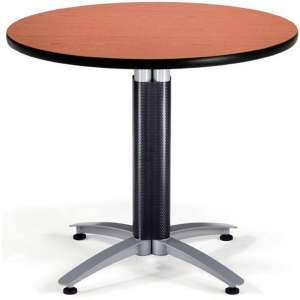
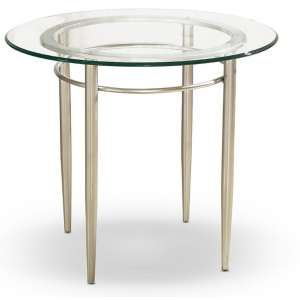
Commons areas that double as dining or café style spaces benefit from smaller tables designed for casual use and easy circulation. These surfaces are commonly found in café tables.
Lounge oriented commons areas typically use a mix of upholstered seating that encourages comfort and longer stays. These spaces often feature modular seating and soft surfaces. You can explore options in soft seating.
Commons areas experience constant use, so furniture should be selected for durability while still offering comfort. Materials and construction designed for institutional use are common across soft seating.
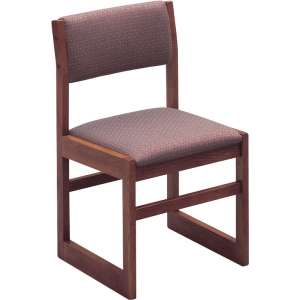
Reading focused commons areas benefit from seating that supports comfort and posture over longer periods. These environments often use dedicated seating from library chairs.
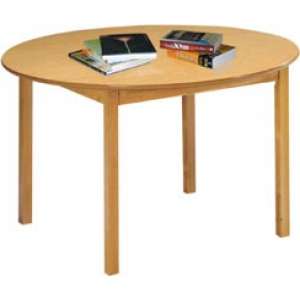
Library commons areas often include sturdy tables that support reading, writing, and device use. These surfaces are commonly selected from wooden library tables.
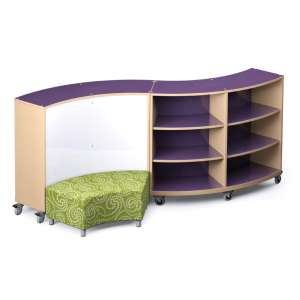
Commons spaces connected to libraries often include shelving and seating that support quiet study and access to materials. You can explore storage options in library shelving & bookcases.
Commons area furniture is shipped to many locations across the United States, with delivery available to most regions depending on product type and quantity. You can begin reviewing available options in collaboration tables.
We support institutional buyers across the United States who are furnishing shared spaces such as school commons, learning centers, and libraries. If you need help planning layouts, selecting furniture, or coordinating delivery, speak with a project specialist. You can begin planning with soft seating.
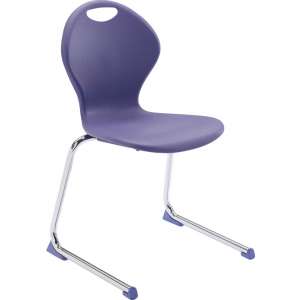
Many school commons areas rely on flexible seating, especially when spaces are shared between instruction, events, and study time. Chairs that are lightweight, stackable, or easy to rearrange allow staff to adapt the space throughout the day without specialized furniture. For this reason, commons areas often use options from classroom chairs to maintain consistency, durability, and ease of movement across different uses.
This collection includes furniture designed for shared spaces such as school commons, libraries, student centers, and collaboration zones across the United States. These spaces often combine seating, tables, and storage to support informal learning and social interaction. You can begin exploring layout options with collaboration tables.
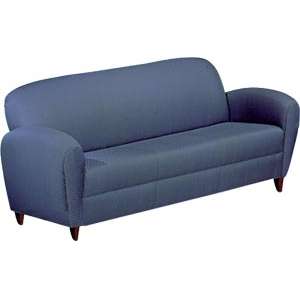
Larger commons spaces often include sofa style seating to create defined lounge zones within open areas. These pieces help balance comfort and durability in high traffic environments. You can review seating options in love seats & sofas.
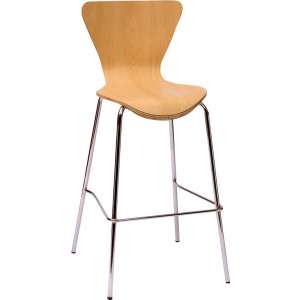
Bar height seating works well along windows, counters, or high top zones within commons spaces. These areas support quick meetings and individual work. You can review seating options in bar stools.
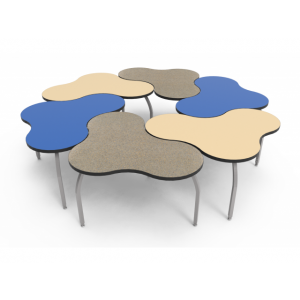
Commons areas are often used for group projects, studying, and casual meetings, so flexible layouts are important. Tables that support teamwork and easy reconfiguration work well in these environments. You can explore group-friendly surfaces in collaboration tables.
Occasional tables are often placed between seating areas to support laptops, books, or personal items. They help define zones without interrupting traffic flow. These surfaces are available in occasional tables.
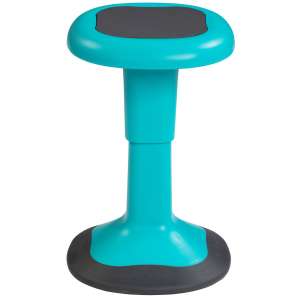
Active seating is useful in commons spaces that support movement, short term use, or informal learning. These pieces allow users to shift posture while working or socializing. You can explore movement friendly options in active seating.